Case studies

The work behind AI adoption.

The technology is the easy part. AI fails when:
  • it's bolted onto a broken process
  • the people using it aren't equipped to adapt
  • the workflow solves the wrong problem
A contractor pay cycle resolved on a single surface, the operational substance that used to live across Clockify, Excel, Xero and email, now reconciled by software the team owns.
01

Leadership time returned to the business.

Situation

A growing contracting business had quietly centralised critical operational workflows around one director. Contractor reconciliation, approvals, invoicing logic and exception handling all depended on one person manually holding the process together across multiple systems. The business could scale revenue faster than it could scale the operational load behind it.

What changed

WrightOps redesigned the workflow around the business rather than the individual. Timesheet reconciliation, invoice generation and exception handling were automated across Clockify, Excel, Xero and email, with AI-assisted verification surfacing only the work that genuinely required human judgement.

Outcome

The operational dependency disappeared. Leadership time shifted away from reconciliation work and back towards strategic growth, while the workflow continued running without relying on one person's calendar.


Contracting / professional servicesImplementation
↑ Back to all cases
Five disconnected systems resolving into a single operational view, the lattice where finance, ops and leadership all see the same numbers, on the same day.
02

One operational view across five disconnected systems.

Situation

The organisation had accumulated multiple operational systems over time, each trusted differently by different teams. Finance, operations and leadership were spending increasing amounts of time reconciling conflicting records across platforms instead of acting on the information itself.

What changed

WrightOps mapped how work actually moved across the organisation, then designed a centralised operational data layer using Microsoft Fabric. AI-assisted workflows synchronised discrepancies automatically and surfaced a shared operational view across finance, payroll and operational systems.

Outcome

Thousands of reconciliation hours were removed across the organisation. Leadership stopped managing conflicting reports and started working from a shared operational view. Informed operational decisions started compounding into profitability again.

Mid-large operator, multi-system environmentStrategy + Implementation
↑ Back to all cases
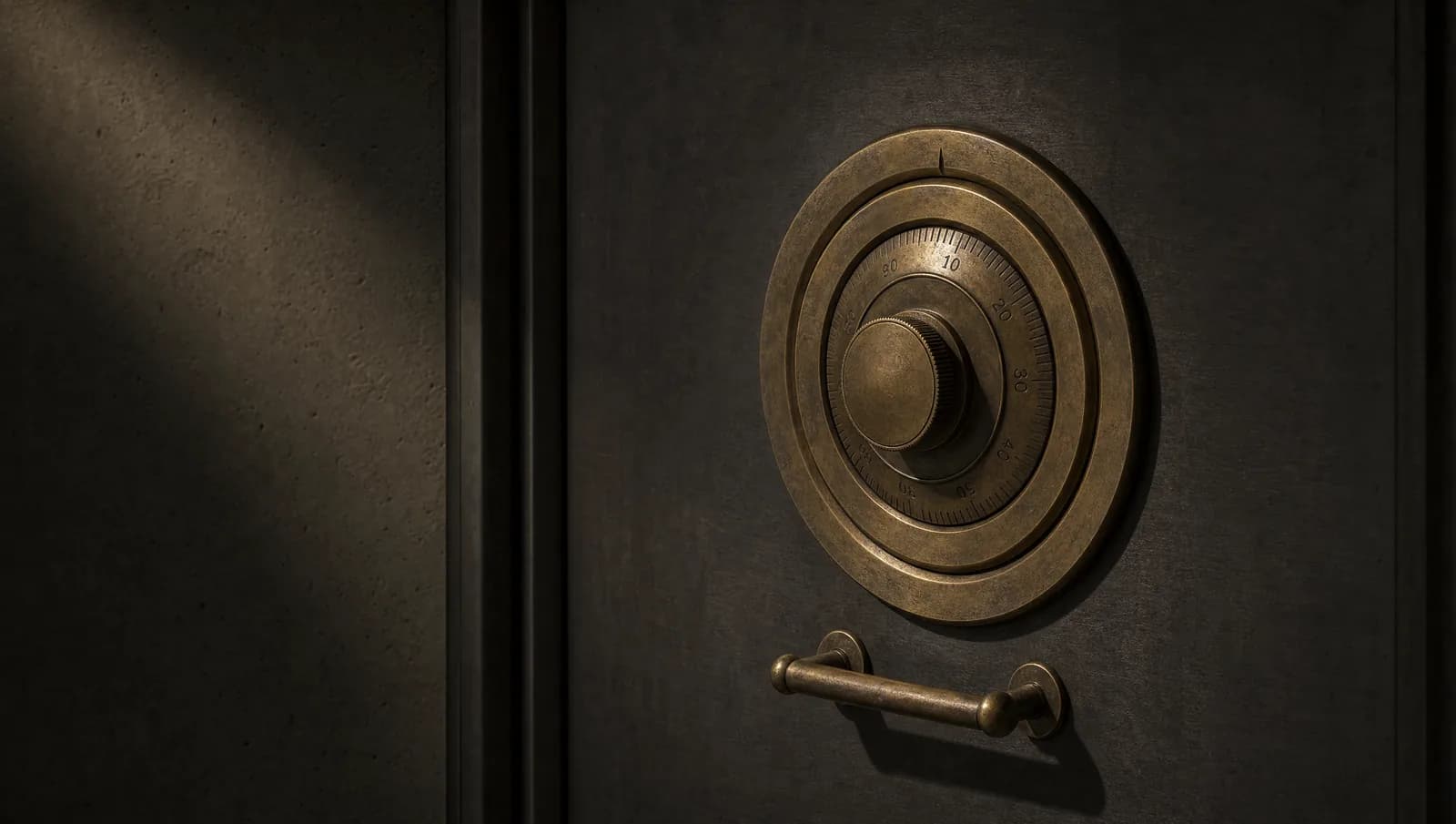
A controlled, restrained surface showing operational guardrails sized to the regulators that actually apply, not to a generic governance template.
03

AI adoption without losing operational control.

Situation

AI usage across the organisation had expanded faster than governance visibility. Teams were independently adopting ChatGPT, Copilot and automation tooling without a coordinated understanding of what data those systems could access, where information was moving, or how usage aligned with regulatory obligations.

What changed

WrightOps mapped the AI tooling already operating across the business, including systems outside formal IT oversight. Access scopes were tightened, governance controls were resized to the organisation's actual regulatory environment, and operational visibility was introduced so security teams could continuously monitor AI usage and exposure.

Outcome

The organisation maintained AI adoption momentum while regaining operational visibility and governance control. Leadership could answer board-level questions about AI usage confidently and defensibly.

Mid-large organisation with multi-team AI adoptionSecurity + Implementation
↑ Back to all cases
An active surface where there used to be a passive one, the operational workflow behind a website that's now generating leads, not just describing the business.
04

The website started generating pipeline again.

Situation

The business had invested in a professional-looking website, but enquiries rarely converted into active sales conversations. The issue was not the website itself. Leads were slowing, fragmenting or disappearing operationally after submission.

What changed

WrightOps rebuilt the operational workflow behind the site using tools the business already owned. Lead routing, response timing, CRM creation and follow-up sequencing were automated so enquiries reached the right people quickly and consistently.

Outcome

The same website shifted from passive brochureware into an operationally active lead-generation channel. The improvement came from workflow redesign, not a website rebuild.

Professional services businessStrategy + Implementation
↑ Back to all cases
An operational AI capability rolled out across teams: structured workflows, role-specific learning pathways, and SOPs the operational team can maintain themselves.
05

AI capability moved beyond isolated teams.

Situation

Different parts of the organisation were experimenting with AI independently, with inconsistent results. Some teams had embedded useful workflows while others stalled entirely due to uncertainty, governance concerns or lack of operational structure.

What changed

WrightOps designed a structured internal AI capability model including operational workflows, role-specific learning pathways and maintainable SOPs. Internal champions were equipped to continue adoption after implementation while governance controls kept legal and security stakeholders comfortable as usage expanded.

Outcome

AI capability became operationally transferable across teams instead of remaining isolated within a few individuals or departments. Adoption became measurable, repeatable and easier to improve over time.

Mid-large knowledge-worker businessStrategy + Implementation
↑ Back to all cases
A controlled aperture framing the triage architecture for security analysts working across on-prem, cloud and offline environments, with the air-gap held.
06

Security operations redesigned around triage reality.

Situation

A critical infrastructure operator was managing security operations across cloud workloads, legacy on-prem systems and offline environments simultaneously. Alert volume had grown beyond what analysts could realistically triage, with operational noise increasingly obscuring meaningful threats. Additional tooling and analyst hiring were adding operational load faster than they were improving visibility.

What changed

WrightOps designed a triage architecture tailored to each environment rather than forcing a single workflow across all three. Read-only enrichment pipelines, environment-specific AI-assisted triage paths and offline-safe classification workflows reduced unnecessary analyst workload while preserving operational boundaries and auditability.

Outcome

Analysts shifted away from repetitive alert handling and towards higher-value investigation work. Triage stopped scaling primarily through headcount, operational visibility improved, and the architecture held without compromising offline boundaries or regulatory requirements.

Critical infrastructure operator with on-prem legacy, cloud workloads and offline systemsStrategy + Security
↑ Back to all cases
A close-up of an operational dashboard surface, the considered detail that comes from work being done properly, not just demonstrated.

Recognise any of these?

You know you need AI.

Just not where or how.

In one conversation, you'll see where AI fits in your operation, and what to do first.